...
Peking Opera
A Hasty Summary
Introduction: Purpose of Website
History
Musical Analysis
Motifs and Characteristics
Contacts
...
What is Peking Opera?
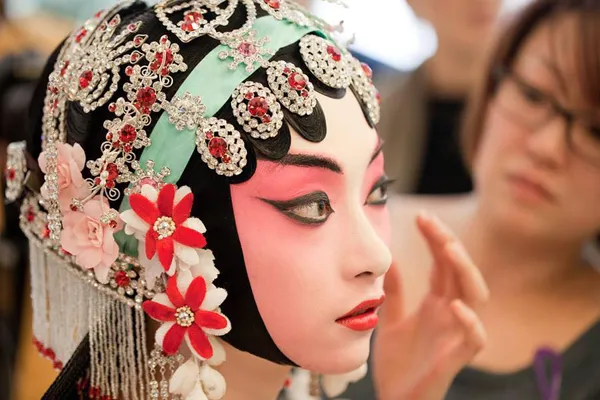
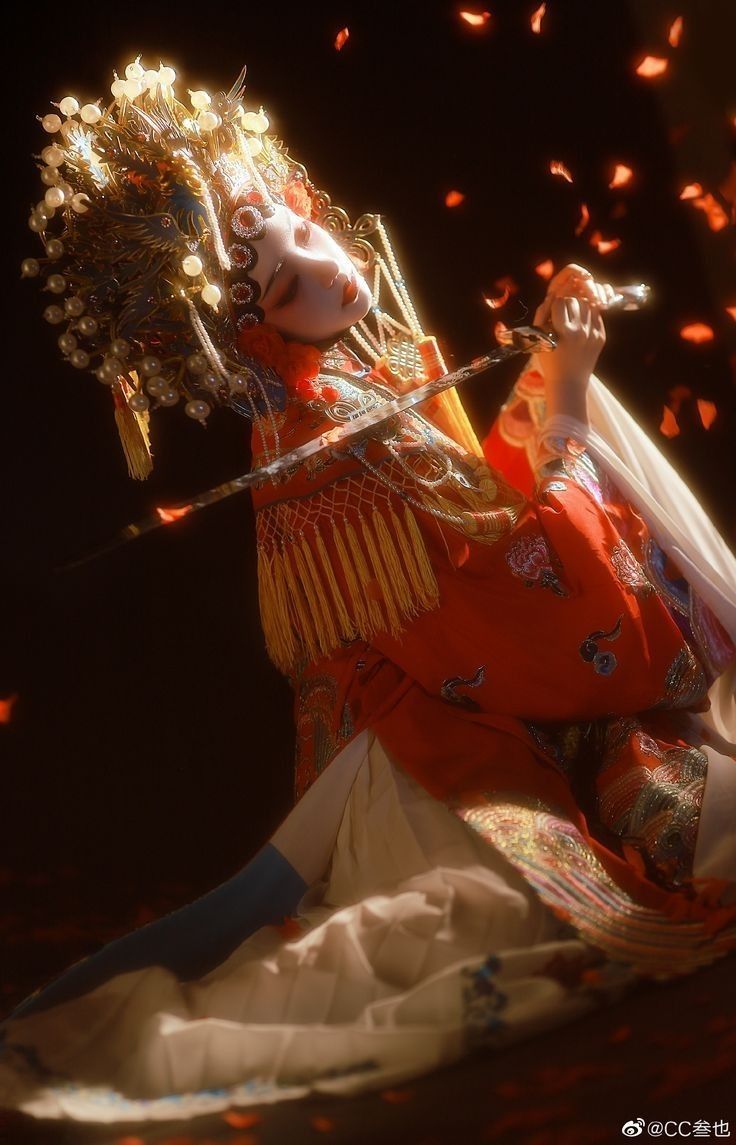
Peking Opera, also referred to as Beijing Opera or 京劇 (Jīngjù), is the most prominent form of Chinese Opera. It is an art involving acting, stories, music, acrobatics, as well as martial arts. It sprung from Beijing in the north east of China. Arising in the Qing court, it became fully developed and known by the mid-19th century.
The performances, performed across China today, depict Chinese cultural traditions revolving around history in Beijing, Tianjin and Shanghai.
...
Popular Peking Opera Plays and Performances
Based on the true story of the 10th century Chinese military leader, Yue Fei, this is a 200-year old style play folowing the tale of war and betrayal: a grand-scale battle scene, full of whirling blades and acrobatics.
...
A play from the Yuan era dedicated to 13th-century dramatics Ji Junxiang, it centres around a theme of revenge, core to Chinese traditions.
...
Following a man who had battled for Chinese unification, Xiang Yu, this story is one reolving around ultimate greed and ambition, and mishaps.
...
...
History to Chinese Culture
Chinese festivities in Beijing such as Chinese New Year, the Dragon Boat Festival, the Mid-Autumn Festival, Golden Week, Dongzhi Festival, mark dates for when the most popular stories from famous Tang dynasty works such as The Drunken Concubine, to The Orphan of Zhao revolving around themes of revenge, are performed to larger audiences. Additionally, on these days, companies create stories dedicated to the festival.
A festival in Peking Opera is Little New Year’s Day on February 4, where popular companies such as the China National Peking Opera Company perform their last performance before actors seal the boxes of performance equipment to perform a final masterpiece of each play.
...
Musical Analysis
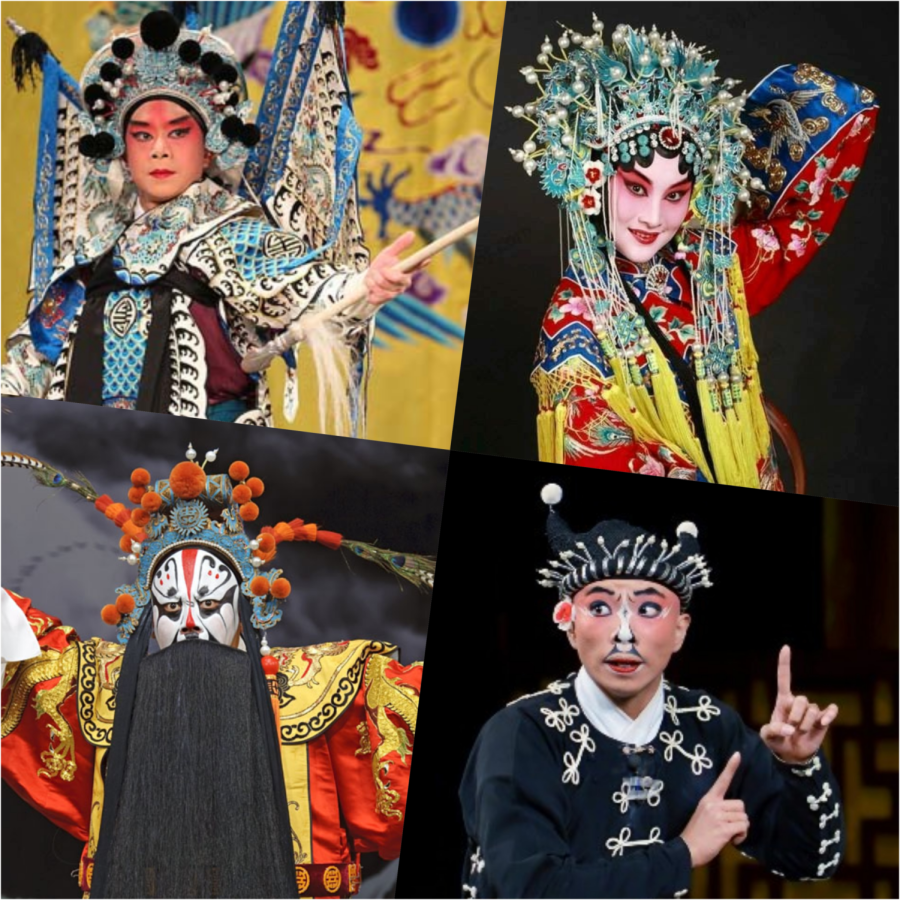
The Drunken Concubine, or A Drunken Beauty, is a classic play considered a masterpiece, sung by the Concubine herself. It is sung using Beijing dialect, with librettos composed to a strict set of rules prioritising rhymes as well as forms. As it is a play, it tells stories of history, politics, and society, through four main types of characters: sheng, dan, jing, and chou. Here, it is sung by a character depicting Dan (woman).
Motifs & Characteristics
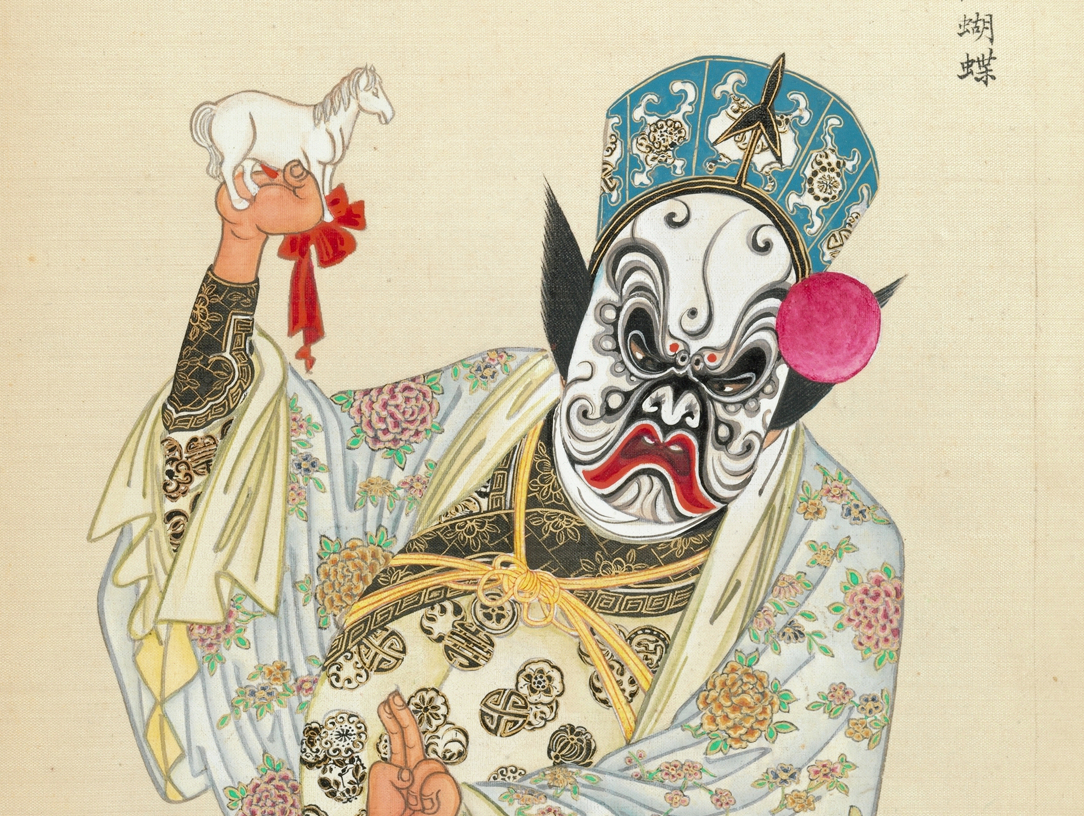
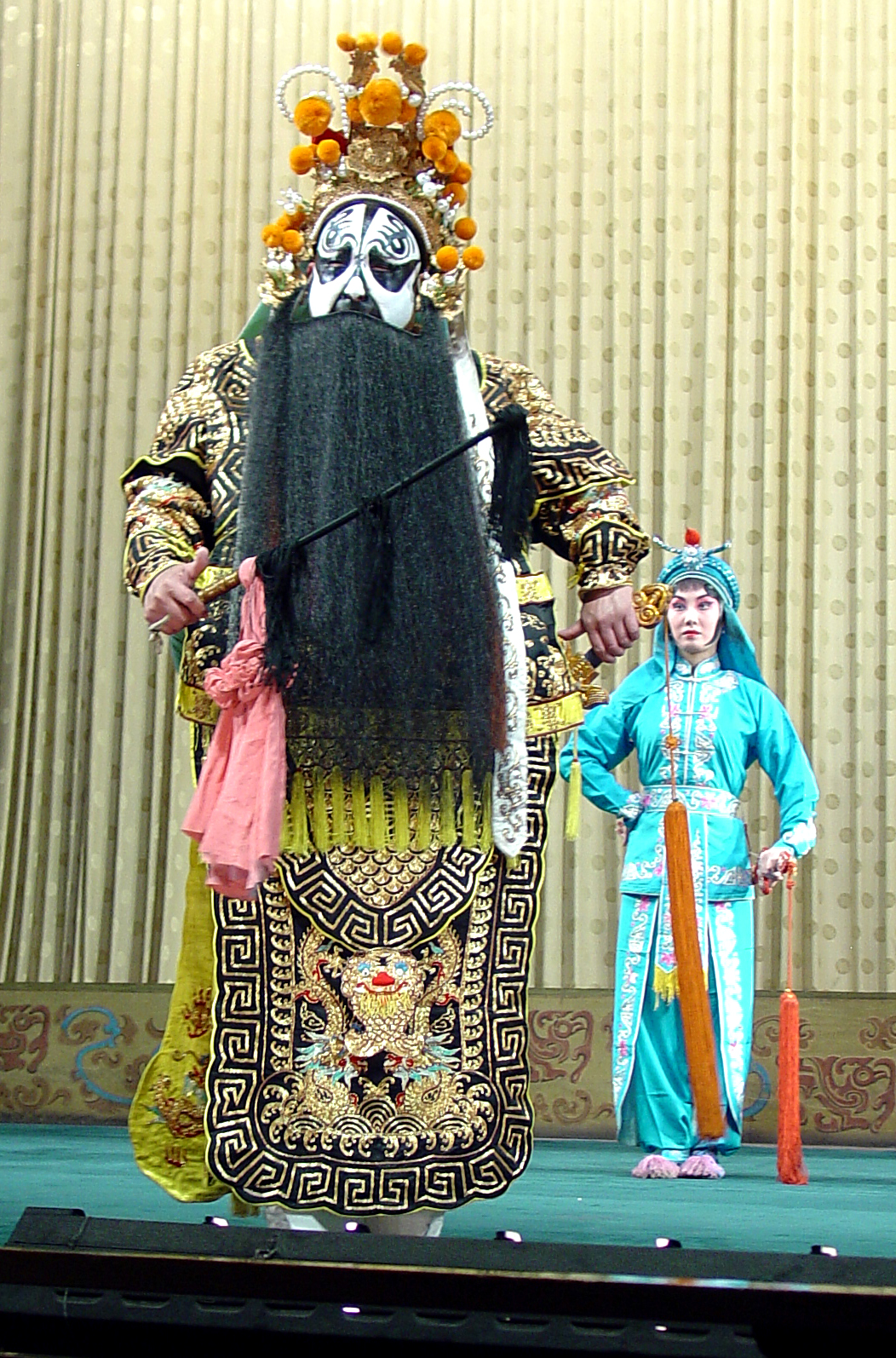
The ugly, exaggerated costumes in Peking Opera are meant to be symbolic rather than realistic, they follow other traditional Chinese arts, prioritising meaning. Literal aspects are removed or stylised to represent intangible emotions. An example of this is removing sharp lines, as a common stylisation method is roundness. The costumes are used as symbolic expressions to convey traditional Chinese core values, packed with symbols. Dragons and phoenix are the most prominent (representing strength, health, and fortune), with birds, tigers, wild geese expressing Chinese core values, which came from imperial ideology based on Confucian ideas, practiced throughout the Qing Dynasty, where Peking Opera was developed.
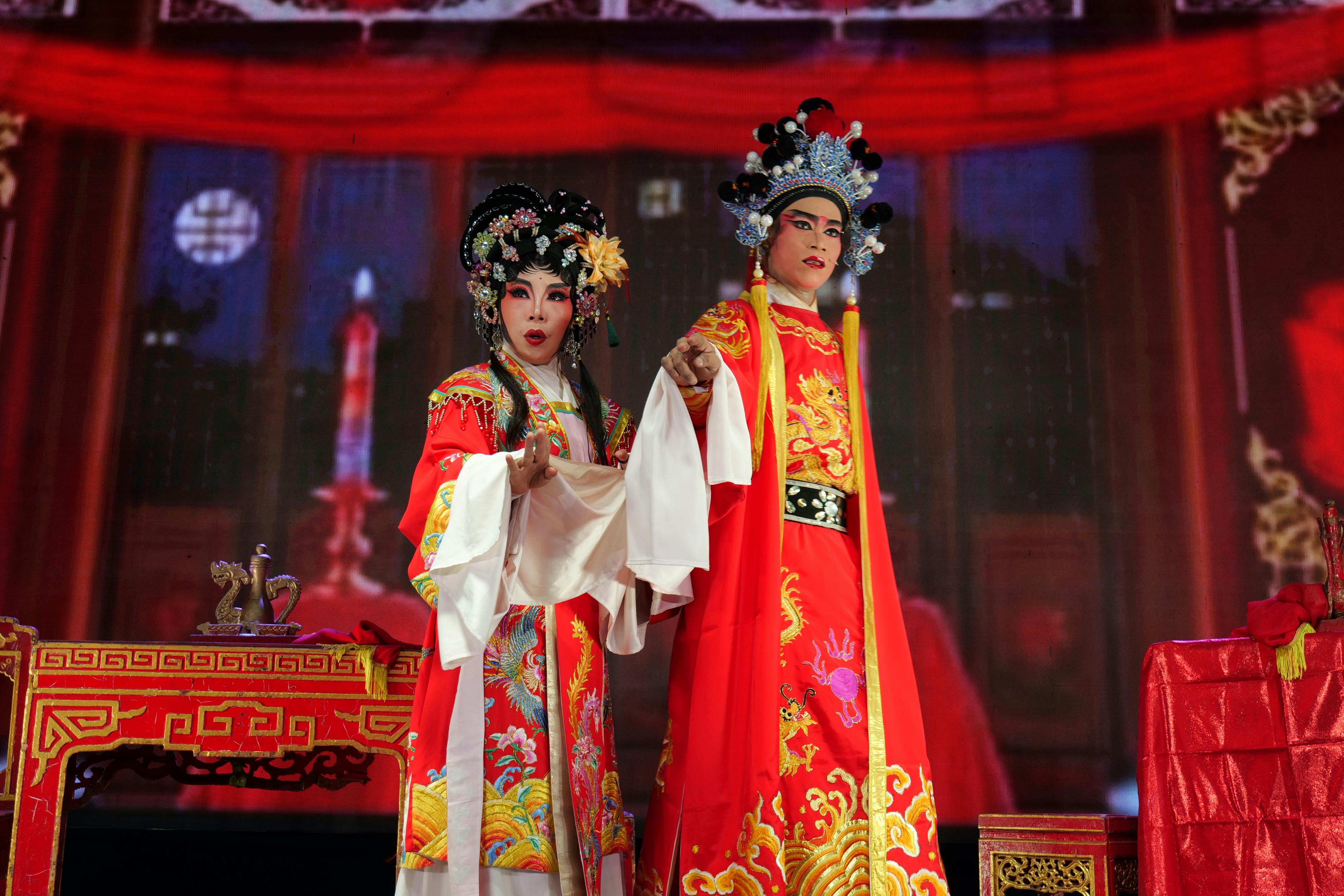
The Drunken Concubine
Four Main Roles
Jing Character
Costume Designs
Sign up with your email for my annual newsletter, or to simply support the cause.